
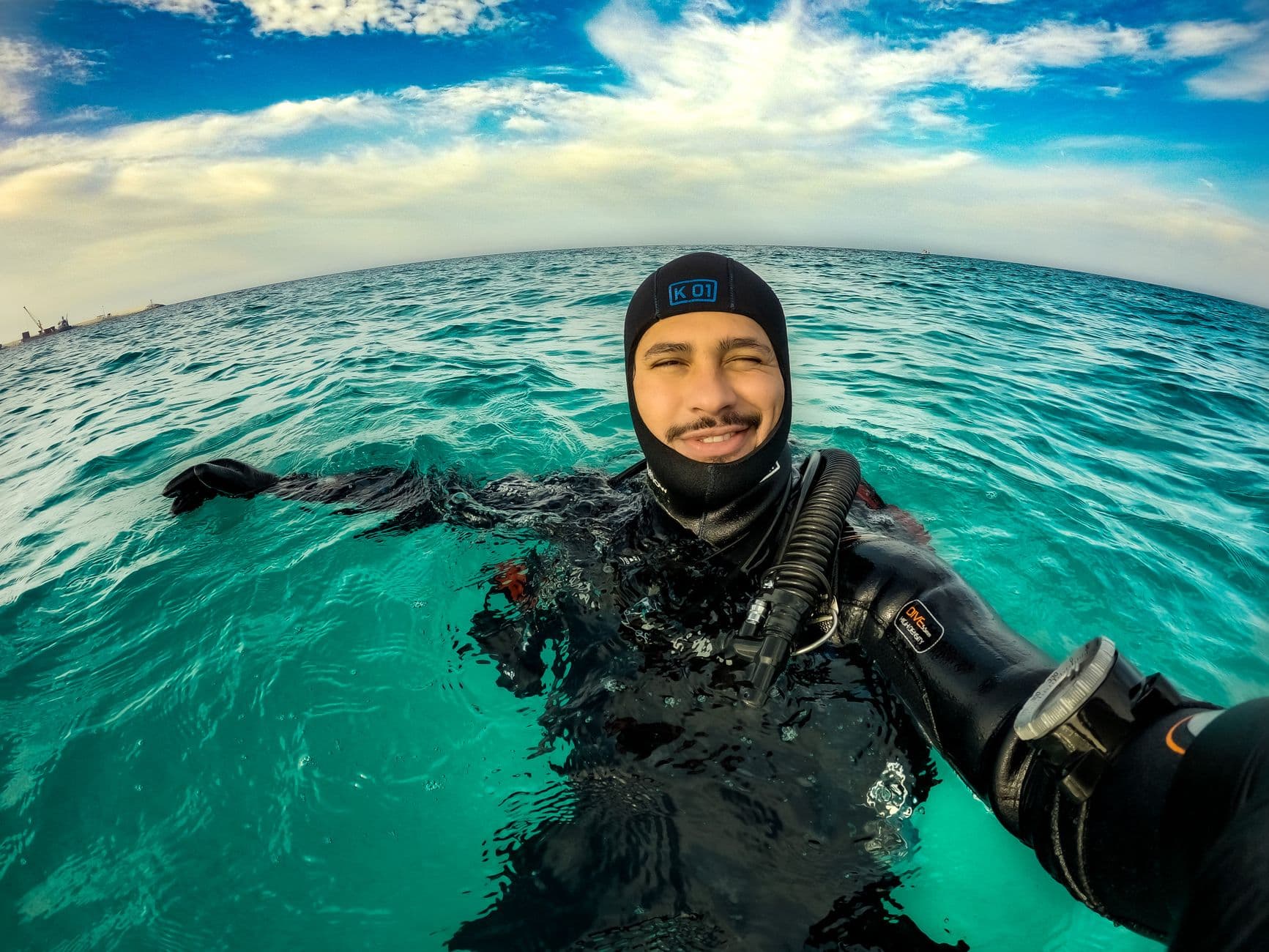
Stepping underwater for the first time brings equal parts excitement and curiosity. Clear Mediterranean visibility and a rich ecosystem make the Turquoise Coast an ideal location to try underwater swimming. If you have never breathed through a regulator or cleared a mask, feeling a little anxious is completely natural. This Kas scuba diving guide covers everything you need to know before stepping onto the boat, helping you prepare physically and mentally for a smooth trial dive.
What Is a Discovery Dive?
If you hold no diving certifications or previous experience, your entry point is a trial dive, commonly called a discovery dive. Once the boat leaves the harbor, instructors gather participants to explain basic equipment mechanics, essential underwater hand signals, and breathing techniques. You do not need to manage your own buoyancy or navigate complex routes. A dedicated instructor or experienced assistant remains by your side throughout the dive, holding your equipment handle and controlling your depth. You stay in shallow waters along rocky drop-offs where fish schools gather. Your only job underwater is to breathe regularly, look around, and enjoy the marine life. It is the best way to test the waters before enrolling in a full certification course.
How to Prepare on the Morning of Your Dive
Start your morning with a simple, lightweight breakfast. Heavy or greasy foods cause nausea on a moving boat, while skipping meals entirely leads to low energy and dizziness in the water. Wear your swimsuit or board shorts under your street clothes to make gear fittings easier once onboard. Skip heavy sunscreens on your face right before the dive. Oily lotions break the rubber seal on your mask, causing water leaks, and harm sensitive marine habitats. If you take regular medication or have a history of respiratory or ear issues, inform the dive crew during registration. Transparency about your health ensures the instructors tailor the dive safely to your physical comfort.
Mastering Ear Pressure Underwater
As you descend below the surface, you will feel a gradual buildup of pressure in your ears. This change is entirely natural and easy to manage with the right technique. Perform the equalization maneuver your instructor teaches you on land before feeling any discomfort. Pinch your nose closed with your fingers and blow gently outward through your nose. Repeat this action every half-meter as you go down. Never wait for pain to start before equalizing. If you feel pressure that does not release, give your instructor the ascend signal immediately to move up a few inches and try again. Stay calm, maintain slow breathing, and never hold your breath while submerged.
Choosing the Best Season and Time for Your First Dive
The Mediterranean diving season runs from early spring through late autumn. Summer brings warm water temperatures and exceptional visibility, making it easy to adapt to the underwater world. Spring and late autumn offer cooler waters but fewer boats, providing a quieter atmosphere for beginners. Calm seas make a massive difference when learning new skills, so try booking your dive on windless days. Morning slots generally offer the calmest sea conditions and the crispest water clarity. If you plan a multi-day trip focused on water sports, staying close to the harbor simplifies early morning departures. Choosing Kaş villas near the center allows you to walk to the marina and head home to a private pool after a day at sea.
What to Pack in Your Boat Bag
Most discovery dives take place during a half-day or full-day boat excursion. Pack a small dry bag containing a change of clothes, an absorbent towel, sunglasses, and a wide-brimmed hat. Your core body temperature drops slightly after staying submerged, so bring a lightweight jacket or long-sleeve top to block the post-dive wind. Drink plenty of fresh water between dives to stay hydrated and soothe throat dryness caused by breathing compressed air. If family members travel with you but prefer not to dive, they can swim or sunbathe on board while you take your lesson. For large groups traveling together, booking family villas in Kaş gives everyone comfortable living space to relax according to their own daily schedule.
Post-Dive Rules and Local Exploration
After finishing your dive, give your body ample time to rest and recuperate. Avoid heavy weightlifting or strenuous mountain hikes immediately following your time under pressure. Never take a flight or drive up to high-altitude mountain passes on the same afternoon you dive, as air pressure changes affect nitrogen absorption in your body. Take a leisurely stroll along the harbor, relax at a seaside café, or sample local snacks like gözleme (savory stuffed flatbread). If you want to expand your seaside itinerary on non-diving days, browse our article on ideal beaches for families in Kaş and Kalkan. For personalized accommodation advice or questions about planning your stay, reach out anytime through our contact page.